Use Case Description and Motivation
This section gives the motivation of selection, as well as a question relevant for each use case scenario. The following use cases exemplify how the Linked Data CE ecosystem could work in a particular situation where collaboration amongs actors should be found in order to take products to their next use step.
Fashion
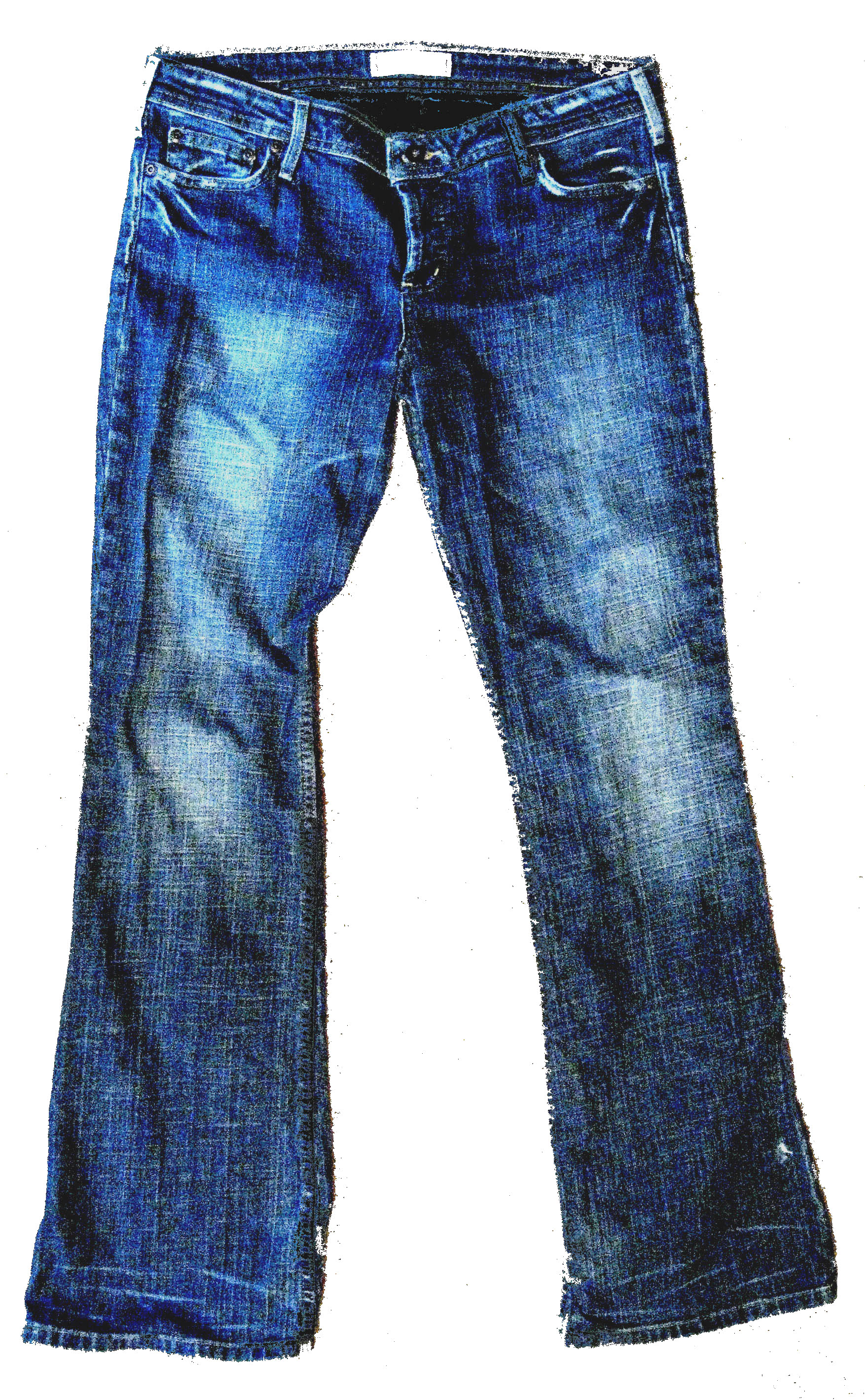
This scenario contemplates consumers as they are also considered key participants of circular exchange patterns. This use case deals with a consumer who owns jeans and wants to make use of reverse logistics mechanisms to return her jeans to a factory for recycling. The use case will explore the combination of Linked Data and RFID tags or QR codes.
Question:
Anne, Jeans owner from Amsterdam, wants to know what recycling collection points are available for her used jeans within 1 kilometer from her house, with free reverse logistics services and that will go to a Fair Trade company.Buildings
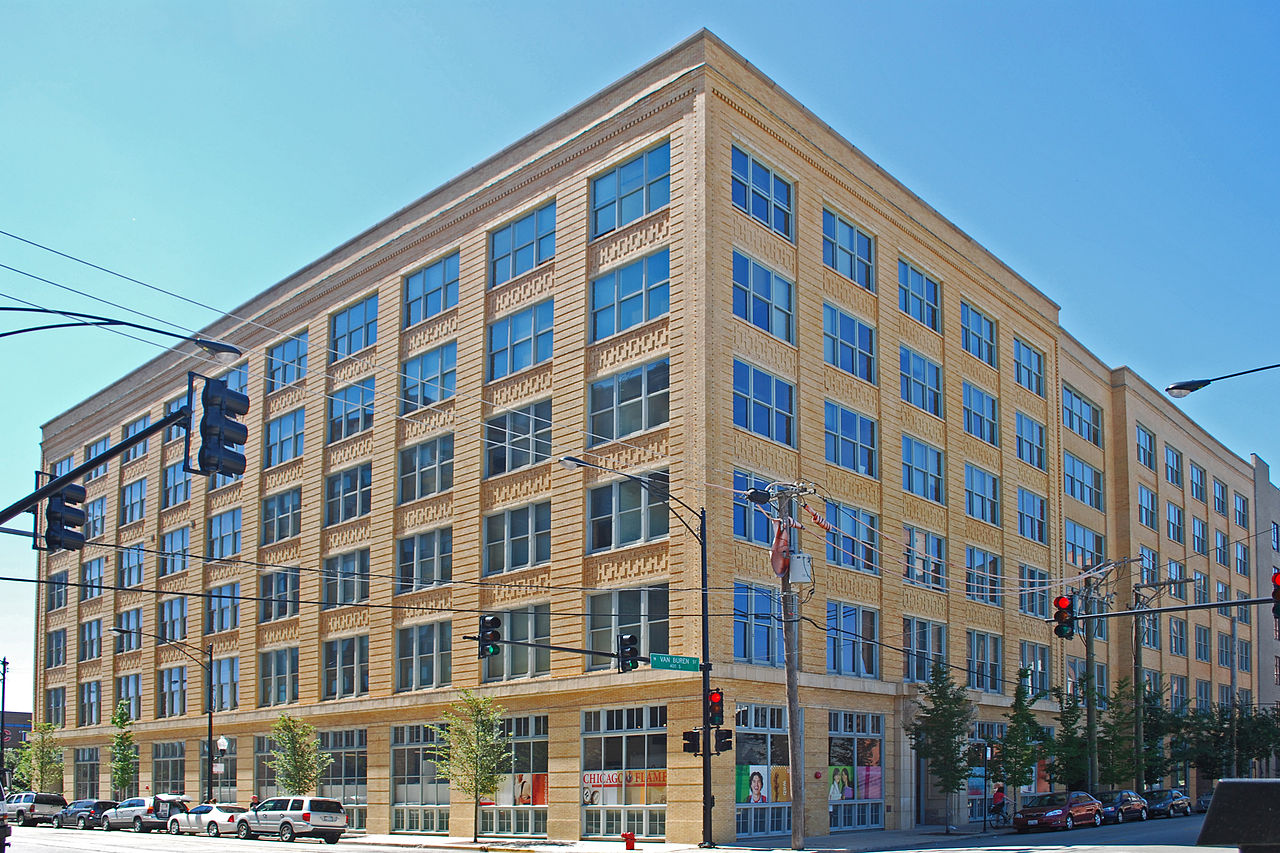
Buildings provide a good depiction of technological resources, which should be owned and managed with service contracts or leasing models in a way that users do not own the material just benefit from its service in the different use cycles. Buildings are assets that are consumed once and have to be maintained for the long run. There are already a lot of connections between existing technologies of the building environment such as BIM and IoT with Linked Data. The buildingSMART Linked Data working group is occupied with the expression of the Building Information Models with Linked Data Standards (BuildingSMART, 2017). Further, there are already several ongoing initiatives for building passports, which validates the use case applicability (Turntoo, 2017; BAMB, 2017).
Question:
John, from KME Ships Inc., wanting to find buildings in the region of Gelderland, to be demolished, to get waste steel parts with hardness 120 HB for building ships.Food

This use case, is part of the bio-based section of the Circular Economy. This use case gives an example for the spatial clustering of circular dependent industries in an industrial symbiosis ecosystem within the food or farm sector. This can be looked at from the angle of a planner, i.e. a municipality, who is aiming to map out circular interdependencies across industries in a specific location.
Question:
Tom, Wageningen Municipal Planner, wants to find what location in Wageningen is best for a mushroom farm, within 20 kilometers of cafes and restaurants that can provide waste coffee grinds for future mushroom cultivation.